The disaster plan you finish while nothing is happening
Why older people bear the brunt of disasters, and the specific Japanese tools — the assistance registry, the individual evacuation plan, welfare shelters, the pantry list — built to reduce that toll.
Earthquakes, typhoons, floods, blizzards. When a disaster hits, older people fall behind. Slower on their feet. Slower to get the message. Slower to figure out what to do next. In the 2011 Tōhoku earthquake, roughly 60% of the dead were 65 or older. That number is why we start planning long before the sirens.
1. Why disasters hit older people harder
Mobility is one piece of it. Information is another: not everyone has a smartphone, and evacuation announcements move fast. Add regular medication schedules, sometimes dementia, sometimes living alone. Any two of those on the same day, and the decision to leave home comes too late.
2. The registry of residents needing assistance
Every Japanese municipality maintains a list, under the Basic Act on Disaster Countermeasures, of residents unable to evacuate on their own. Long-term care level 3 or above. Solo-living older adults. People with disabilities. If the resident agrees, the list is shared with local civil welfare commissioners, the neighborhood association, and the fire department, so that someone knows to check on them. Registration is voluntary. It has to happen before the emergency, obviously.
3. The individual evacuation plan
The 2021 revision of that same act put municipalities under a duty to help draw up individual plans. Who is going to move Grandma, when, and to where. The person, the family, the care manager, and the local support network all sit down together and write it out. If you already have a care plan, it dovetails with that plan.
4. Welfare shelters
General evacuation shelters, with their gymnasium floors and shared bathrooms, are difficult for many older people. Japan designates certain facilities — special nursing homes, day-service centers — as welfare shelters, with barrier-free access, medical staff on site, and stocked supplies suited to residents with higher needs. Access typically runs through the care manager or through the municipal office.
5. Staying at home: what to have on the shelf
- Water: about 3 liters per person per day, for 3 to 7 days.
- Food: pouch meals, canned goods, nutritional supplements, again 3 to 7 days.
- Regular medications, plus a copy of the medication booklet.
- Portable toilet, adult diapers, wet wipes.
- Flashlight, radio, mobile battery.
- List of important phone numbers, plus a copy of the health insurance card.
6. BCP: what care facilities are required to have
Since April 2024, every Japanese long-term care operator has been required to have a Business Continuity Plan. The idea is to keep services running through disasters and infectious outbreaks even when staffing thins and utilities fail. Annual drills and training are part of the requirement.
7. The safety check
Once the shaking stops, care managers, home helpers, and the Community General Support Center divide up the safety check. Phone first, then in person, then SNS, then whatever neighbors report. Family gets a call the same day. That whole choreography has to be on paper before day one.
References
- Basic Act on Disaster Countermeasures (Japan); registry of persons requiring assistance during disaster.
- 2021 amendment introducing individual evacuation plans (municipal duty to prepare).
- MHLW, Business Continuity Plan (BCP) requirement for long-term care operators (effective April 2024).
- Cabinet Office, White Paper on Disaster Management — analysis of victims by age group.
📖 New book by the author of this site
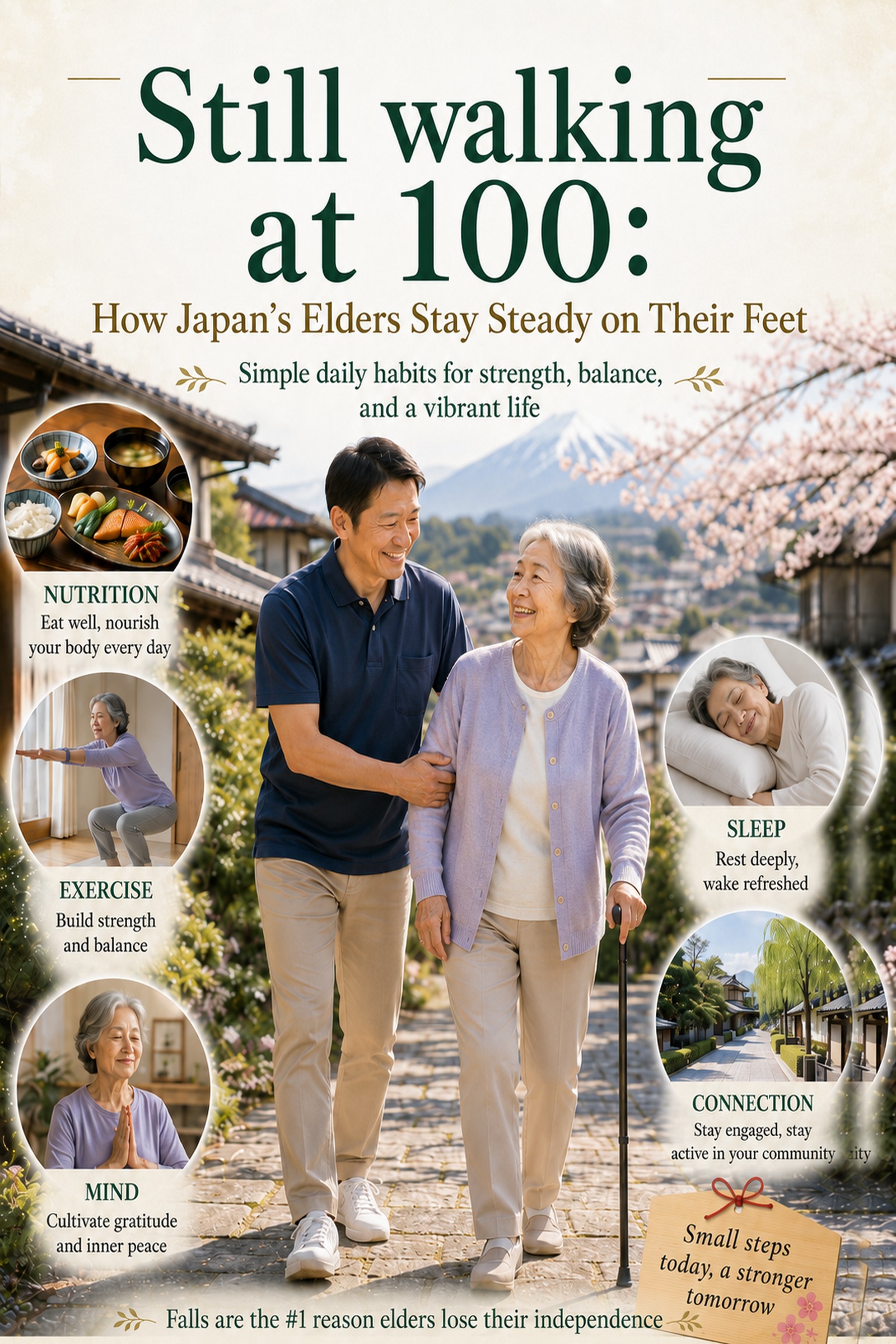
Still Walking at 100: How Japan’s Elders Stay Steady on Their Feet
Kindle $3.99 · free with Kindle Unlimited
Learn more
コメントを残す