Water is unfair — and other reasons for aqua walking
Buoyancy offloads 80 to 90 percent of your weight. Resistance does the strength work. For older adults with sore knees, it may be the single most efficient cardio there is.
Water is unfair. Nothing else lets you get an hour of cardiovascular exercise while carrying about ten percent of your own weight. If your knees or back have been the reason you stopped walking outdoors, the pool solves the problem the walking couldn’t.
Aqua walking is not glamorous. There’s no equipment to buy beyond a swimsuit. Nobody posts before-and-after photos of it on Instagram. That is probably why it doesn’t get talked about as much as it deserves. The people who have made it their default cardio in their seventies and eighties, though, are almost universally still moving well.
The reason it works
Two forces do the work. Buoyancy takes weight off the joints — chest-deep water offloads about 80 to 90 percent of your bodyweight. If you weigh 60 kilos, your knees feel about 6 to 12. That is the difference between “I can’t walk the block anymore” and “I can walk for forty-five minutes.”
Resistance does the rest. Water is roughly 800 times denser than air, so every step forward is a step against a wall of resistance. That resistance loads your muscles the way a light strength workout would — evenly, symmetrically, without any equipment. For older adults, who need both cardio and strength, aqua walking delivers both at once, which almost nothing else on the machine floor does.
What it does for you
- Cardiovascular fitness. Heart rate rises comfortably. VO2 max, that unfamiliar number, actually improves. Blood pressure tends to fall over a few months of regular sessions.
- Joint health. Osteoarthritis of the knee, spinal stenosis, hip pain — these are the diagnoses that push people into the pool, and the pool tends to be kind to all of them. Circulating movement without impact keeps the cartilage nourished.
- Muscle. Legs, core, and, if you swing your arms properly, upper body. All of it, without a machine.
- Balance. The unstable footing of water forces small stabilizer muscles to work continuously. That transfers to better balance on dry land.
- Cooling. In a Japanese summer, the pool is one of the few places you can exercise hard without heatstroke risk.
How to actually do it
Weeks 1–2
Fifteen to twenty minutes, two or three times a week. Walking forward across the shallow end and back. Don’t push the pace. The point is to get familiar with how the water pushes back and how your body responds.
Once you’re comfortable
Thirty to forty-five minutes, three or four times a week. Mix in walking backward — different muscles, different balance demands — and sideways. High-knee walking, where you deliberately lift the knees higher than a normal step, targets the hip flexors and adds intensity. Some pools have deep-water running belts that let you “run” without your feet touching the bottom; that’s the highest-intensity version.
If you want to progress further
Group aqua-aerobics classes. Most Japanese municipal pools run them, and they’re specifically designed for older adults. The music helps time your steps. The instructor watches your form. And you meet other people, which is a benefit the treadmill will never offer.
What can go wrong
Not much, but a few things worth watching.
Dehydration. You sweat in the pool. You just can’t feel it. A glass of water before you get in and another after you get out.
Cold shock. Water below about 25°C can spike blood pressure. Look for a pool that runs 25–28°C, which is the standard range for programs aimed at older adults.
Existing medical conditions. If you have high blood pressure, heart disease, or diabetes, mention the plan to your doctor before the first session. Almost always they’ll say yes; occasionally they’ll want you to start with an instructor supervising.
Two common mistakes
The first is trying to walk in the water the way you walk on land. Long stride, arms swinging beside the hips. That’s inefficient. The water asks for a slightly shorter stride, a more upright posture, and arms that push against the water with intent. It takes about a week to feel the difference.
The second is treating the pool as easy. Because there’s no sweat you can see, and because impact is low, people assume the workout is light. In fact, aqua walking at a moderate pace burns roughly the same calories as land walking at a brisk pace, and works more muscle groups. You’re doing more than you think.
My father-in-law started aqua walking at 71 with two bad knees that were on the surgical list. Six months in, both surgeons told him the surgery could wait. Eight years later, at 79, he still hasn’t had them. The water didn’t heal the arthritis. It just gave him a way to move despite it. That is often the entire game.
References
- Bartels EM et al. Aquatic exercise for the treatment of knee and hip osteoarthritis. Cochrane Database Syst Rev, 2016.
- Barbosa TM et al. Physiological assessments of aquatic aerobic exercise. Sports Med, 2009.
- Waller B et al. Effects of high intensity resistance aquatic training on body composition and walking speed in women with mild knee osteoarthritis. Osteoarthritis and Cartilage, 2017.
📖 New book by the author of this site
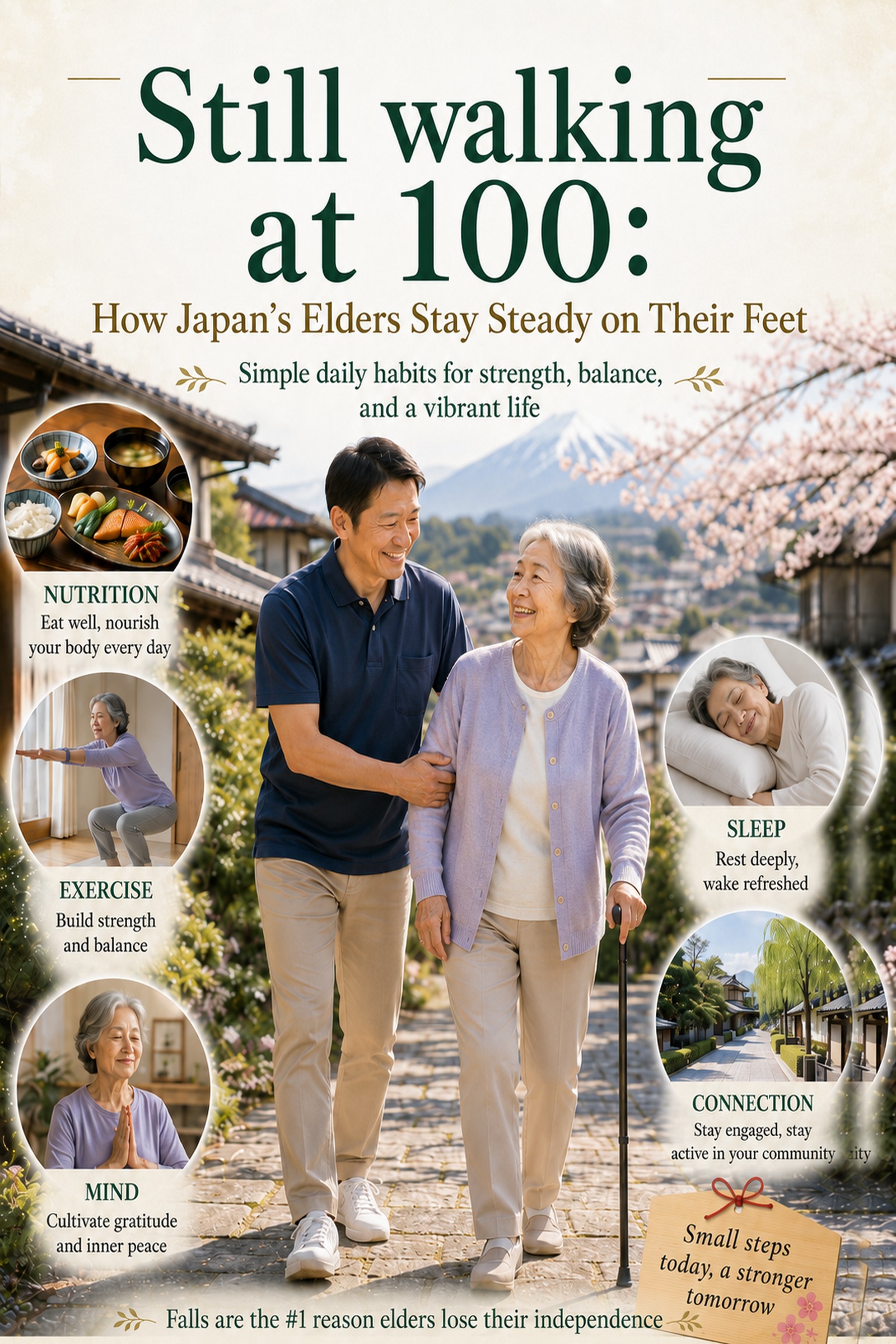
Still Walking at 100: How Japan’s Elders Stay Steady on Their Feet
Kindle $3.99 · free with Kindle Unlimited
Learn more
コメントを残す