Spring, and the three things it does to older bodies
Hay fever, autonomic fatigue, and lingering cold. What actually helps, in what order, and the two mistakes that make the season worse.
Spring in Japan looks lovely in postcards and feels miserable to a fair number of people who actually live through it. The cherry blossoms come with a wave of pollen. The weather bounces twenty degrees in a week. Bodies that had settled into winter rhythms now have to rebuild for the year ahead, and older bodies find this transition harder than younger ones.
What follows is a short checklist of what to actually watch for and what to actually do, drawn from years of watching residents at our day-care center go through this exact stretch.
The three problems that dominate the season
Hay fever
Cedar and cypress pollen have been rising in Japan for decades — a legacy of postwar reforestation policy — and the number of people with allergic responses has risen alongside. What surprises a lot of older adults is that hay fever can start at any age. Someone who has been fine for seventy years can develop it, essentially overnight, in their seventies. Age-related shifts in immune regulation are the reason.
Spring fatigue
The Japanese term for it is haru bate. The mechanism is autonomic nervous system overload. Rapid daily temperature swings — a warm day followed by a cold day, then warm again — require the body to keep readjusting its cardiovascular and thermoregulatory setpoints, and the autonomic system that manages this gets exhausted. What you feel is vague fatigue, poor sleep, appetite changes, sometimes mood dips.
Cold that lingers
Spring nights are cold, and older bodies are worse at generating heat from muscle mass that has thinned. Cold hands and feet at night keep people awake and reduce daytime activity. What starts as a comfort problem often turns into a sleep problem within weeks.
The hay fever plan
Reduce exposure
- Wear a proper mask outdoors on high-pollen days. Regular surgical masks help; pollen-specific masks help more.
- Glasses or sunglasses outdoors reduce eye symptoms substantially.
- Change clothes at the entryway when you come home. Coats and outer layers should be shaken off outside or hung by the door rather than brought into living areas.
- Wash face, hands, and rinse the mouth immediately after returning home.
- Check the daily pollen forecast. On peak days, some errands can wait.
Support the immune balance
A daily serving of yogurt or other fermented food may reduce symptom severity by modulating gut flora and, through the gut, the immune response. The evidence is not overwhelming but it’s consistent enough to be worth trying. Miso, natto, and pickles all count.
Medical support
If symptoms are genuinely disrupting sleep or work, see a physician. Modern antihistamines are much less sedating than the old ones, and short courses of nasal steroid spray can be dramatically effective. Immunotherapy — zetsuka meneki ryōhō — has been available under Japanese national insurance for cedar allergy since 2014, and for those willing to commit to a multi-year course, it can substantially reduce or eliminate symptoms.
The fatigue plan
Anchor the clock
Wake at the same time every morning, and get bright light on your face within an hour. This is the single most powerful thing you can do to steady the autonomic system. Fifteen minutes near a window on a bright morning. On cloudy days, more.
Bathe warm, not hot
An evening soak at 38 to 40°C for 15 to 20 minutes activates the parasympathetic nervous system and improves sleep quality. A very hot bath does the opposite — it stresses the cardiovascular system and can disrupt sleep. Save the hot bath for occasional pleasure, not nightly routine.
Eat for the fatigue
B-vitamins are central to energy metabolism, and low intake shows up as spring-type fatigue in people who are otherwise fine. Pork, natto, eggs, and brown rice are the traditional Japanese sources. A serving of one of these each day covers the requirement.
Nap, but briefly
A power nap of 20 minutes, before three in the afternoon, restores alertness without disturbing nighttime sleep. Anything longer starts to dip into deep sleep and leaves you groggy, and pushes back your natural bedtime.
The cold plan
Warm from the inside
Warm drinks throughout the day. Ginger tea, hōjicha, plain hot water. Cold drinks chill the gut and, over time, reduce circulation efficiency.
Cover the pulse points
The ankles, wrists, and neck carry major blood vessels close to the surface. Warming these three areas — leg warmers, wrist warmers, a neck scarf — improves whole-body circulation more efficiently than adding another sweater. This is a genuinely useful piece of traditional Japanese wisdom.
Move the calf muscles
The calf is the second heart, the phrase goes. Every hour or so, do twenty heel raises. Circulation improves, cold feet warm up, and the small daily movement adds up to something.
Two mistakes worth avoiding
The first is telling yourself the fatigue is just aging and there’s nothing to be done. If a two-week try at the anchor-the-clock, warm-bath, and B-vitamin plan doesn’t produce noticeable improvement, see your doctor. Thyroid function drift, iron deficiency, sleep apnea, and depression all present with vague spring-onset fatigue in older adults, and all are treatable.
The second is going straight to over-the-counter cold remedies for what turns out to be hay fever. Symptoms overlap. If it isn’t clearing after five days and there’s no fever, it’s more likely allergy than infection, and the right medication is different.
The season is short
Japanese spring runs maybe six weeks at any given latitude. If you can get through it with reasonable comfort — the pollen manageable, the fatigue controlled, the nights warm enough to sleep — you’re set up for summer, which brings its own set of problems. Small adjustments now, done consistently, is what makes each transitional season easier than the last.
References
- Japanese Society of Allergology, Practical guidelines for the treatment of allergic rhinitis (Japanese Guideline for Allergic Rhinitis).
- MHLW, Sublingual immunotherapy for Japanese cedar pollen allergy (national insurance coverage from 2014).
- General references on autonomic dysregulation and seasonal fatigue in older adults.
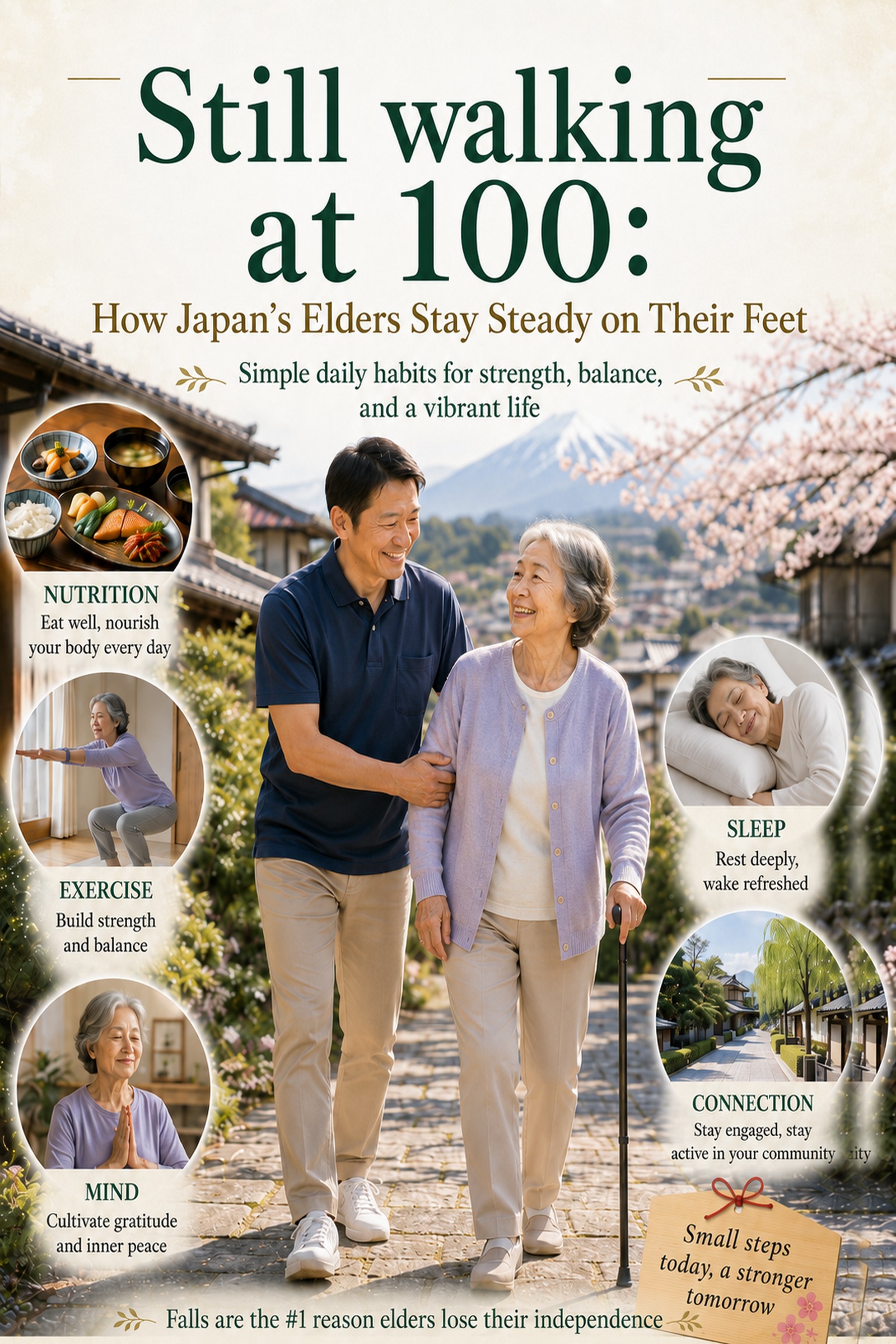
📖 New book by the author of this site
Still Walking at 100: How Japan’s Elders Stay Steady on Their Feet
Kindle $3.99 · free with Kindle Unlimited
Learn more
コメントを残す