The team around one person — how community-based care actually holds together
Five moving pieces, ten kinds of professional, one older person at the middle of the table. What coordination looks like when it actually works.
Aging in place, all the way to the end. That is the promise of Japan’s Community-Based Integrated Care System (chiiki hōkatsu kea). Whether it holds up in practice depends on whether the different professionals around one person actually talk to each other, and share what they’re seeing. That sounds simple. It isn’t.
1. Five things that have to work together
Housing, medical care, long-term care, prevention, and everyday living support. The design target is that any resident, in any middle-school district, can reach the services they need in about 30 minutes. When the five come apart, the person falls into the gap.
2. Who is on the team
Family physicians, visiting nurses, pharmacists, care managers, PT / OT / ST, dietitians, medical social workers, dentists, and direct care staff. Different training, different vocabularies, different working hours. Understanding each role — and what each colleague is actually able to do — is the beginning of coordination.
3. The care conference
The service coordination meeting, held when a care plan is drawn up or revised, is the single largest opportunity for the team to align. The person, the family, and the involved professionals sit at one table. Goals get named. Roles get assigned out loud. Everyone leaves knowing who is doing what.
4. How information moves
Communication books. Fax. Phone. Increasingly, medical-care SNS platforms (MCS is the common one in Japan), regional coordination clouds, and shared electronic records. Speed and permanence in the same channel: that is the appeal. What matters most is not the tool but the habit — writing down what you saw, and reading what your colleagues wrote.
5. Bridging home medicine and home care
Home-visit clinics and visiting nurse stations sit at the seam between medicine and care. Sudden change of condition. Pre-discharge conferences. End-of-life care. Care staff often function as translators: what the person is showing on the floor, put into words a physician can act on.
6. Dementia early-intensive support teams
Small teams of medical and care professionals, based at the Community General Support Center, do home visits to assess and support families early in a dementia course. The idea is to catch the trajectory before the crisis. Referral goes through the local Community General Support Center.
7. What coordination asks of care staff, specifically
State what you observed, briefly. Report before waiting for a professional to ask. Drop the cultural habit of holding back and not wanting to intrude. In this field, “say it” is safer than “don’t want to bother anyone.” The doctor cannot act on what nobody told them.
References
- MHLW, Community-Based Integrated Care System — framework and municipal implementation guidance.
- Medical Care Station (MCS) and comparable regional medical-care coordination platforms in Japan.
- Dementia Early-Intensive Support Teams — program under the Community General Support Center.
📖 New book by the author of this site
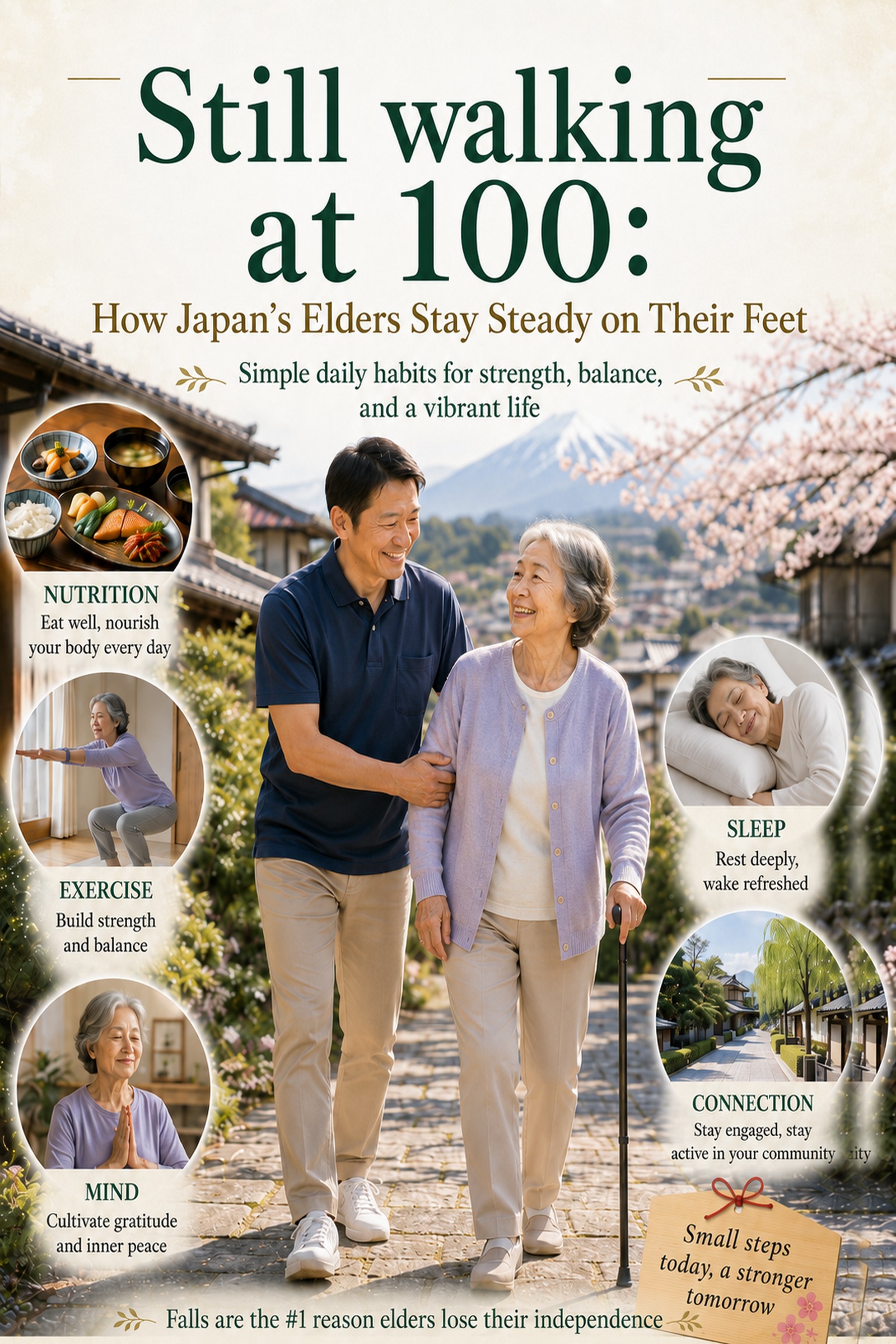
Still Walking at 100: How Japan’s Elders Stay Steady on Their Feet
Kindle $3.99 · free with Kindle Unlimited
Learn more
コメントを残す