The medical system you enter at seventy-five, and how to actually use it
The copay tiers. The monthly ceiling that most people forget to file for. Combining bills. Pre-hospitalization certificates. And the annual tax deduction retirees often miss entirely.
Turning 75 in Japan comes with a paperwork change most people don’t fully understand. On that birthday, you’re automatically enrolled in the country’s late-elderly medical care system (kōki kōreisha iryō seido), and your health insurance flips from whatever it was before — company insurance, national health insurance, dependent status under a spouse — to this new one. Copays change. Premium calculations change. What isn’t obvious is that a number of cost-reduction mechanisms come with it, and many of them require you to actually apply. Do nothing, and you leave money on the table every month.
Here is what the system is, what it covers, and the four things you can do to reduce your household medical spending without doing anything unethical.
The system, briefly
Everyone in Japan is covered by a public medical insurance system throughout their life. Below 75, you’re on employer insurance, national health insurance, or a similar plan. At 75, you’re moved into the late-elderly system, run at the prefectural level by the kōki kōreisha iryō kōiki rengō, with your municipal office as the local point of contact.
You pay a premium every month. When you visit a clinic or hospital, you pay only a fraction of the actual cost at the counter. The rest is covered by the insurance pool.
Your copay rate
Three tiers, based on income.
- 10% copay: Most late-elderly patients. If your income sits in the typical retirement range, this is you.
- 20% copay: Higher income than the base tier but below the “working-generation equivalent” threshold. Introduced in October 2022.
- 30% copay: “Working-generation equivalent” income (municipal taxable income of ¥1.45 million or more, roughly). The same rate a working-age adult pays.
Most 75-plus adults pay 10%. That already reduces medical costs by roughly two-thirds compared to a working-age person. But the system has several additional layers of protection that are less well-known.
Four ways to reduce your actual medical spending
1. Use the high-cost medical care ceiling
This is the single biggest one, and it’s the one people miss most often.
Japan’s high-cost medical care system (kōgaku ryōyō-hi seido) sets a monthly ceiling on how much you can be required to pay out-of-pocket for medical care. Anything over that ceiling gets refunded.
For a typical late-elderly patient on 10% copay, the outpatient monthly ceiling is around ¥18,000. Meaning: even if you needed serious surgery in a given month, your actual out-of-pocket costs are capped near that level, and everything above it comes back to you.
The trick is that you generally have to file for the refund. The municipal office will sometimes prompt you if they see the pattern, but often they won’t. Check what you paid every few months and compare to the ceiling. If you’re over, apply.
2. Combine bills from multiple providers in the same month
The monthly ceiling isn’t per-clinic. It’s total. If you saw an internist, an orthopedist, and picked up prescriptions at a pharmacy, those payments can be added together for the ceiling calculation. Many patients don’t realize this and file per-provider, which loses money.
If you see multiple specialists, keep every receipt for a given month, and file them together.
3. Get a “ceiling application certificate” before planned hospitalization
If you know a hospital stay or surgery is coming, apply at the municipal office for the certificate called gendogaku tekiyō nintei-shō. Present it at admission, and the hospital bills you only up to the monthly ceiling from the start. You don’t pay the full amount and wait for the refund — you never have to front the money at all.
This is especially useful for households on a fixed pension where the cash-flow hit of a large bill would be painful even if refundable later.
4. Claim the medical expense deduction on your taxes
Japan’s medical expense deduction (iryō-hi kōjo) lets you deduct medical expenses above ¥100,000 (or 5% of your income, whichever is lower) from your taxable income. This reduces both national income tax and municipal tax.
For a retired household with modest pension income, the 5% threshold often applies, and it can be lower than ¥100,000. Many older adults miss this filing entirely because they aren’t in the habit of filing tax returns at all after retirement. If your medical expenses were significant, filing is worth the small effort.
Eligible expenses include not just doctor visits and prescriptions but transportation to medical appointments, some dental care, and even some over-the-counter medicine costs.
Two other things worth knowing
The safety-net exemptions
Households in genuine financial hardship — those receiving public assistance, or households with specific low-income statuses — can qualify for reduced or waived premiums and lower copay ceilings. If your household income has fallen, ask about the reductions rather than assuming you owe the full rate.
The care insurance combined ceiling
If your household is paying both medical premiums and long-term care premiums, and both are producing significant out-of-pocket costs, a combined-cost ceiling applies. The kōgaku iryō gōsan kaigo gassan seido caps the annual combined out-of-pocket at a level that scales with income. This one is genuinely obscure and worth asking about specifically if you or a family member is heavily using both systems.
Where to go for information
Your municipal office is the front door. Ask specifically for the late-elderly medical care desk (kōki kōreisha iryō madoguchi). Bring your health insurance card. If your Japanese is limited, most municipalities in urban areas now offer support in English or through translation apps.
The Community General Support Center — the same office that handles long-term care questions — can also help with medical cost questions and will refer you to the right desk.
The point
Japan runs one of the more generous elder healthcare systems in the developed world, and most of its cost-reduction mechanisms are unclaimed simply because people don’t know they exist. If a household is spending more than about ¥20,000 a month on medical care and hasn’t checked whether any of the four items above applies, they’re almost certainly overpaying.
A single afternoon at the municipal office, once a year, can save more than most household budget adjustments. Worth the trip.
References
- MHLW, Late-Elderly Medical Care System (Kōki Kōreisha Iryō Seido) — program overview.
- MHLW, High-Cost Medical Care Benefit System (Kōgaku Ryōyō-hi Seido) — updated ceiling tables.
- National Tax Agency, Japan — Medical Expense Deduction (Iryō-hi Kōjo) filing guide.
- MHLW, Combined Medical and Long-Term Care Cost Ceiling System (Kōgaku Iryō Gassan Kaigo Gassan).
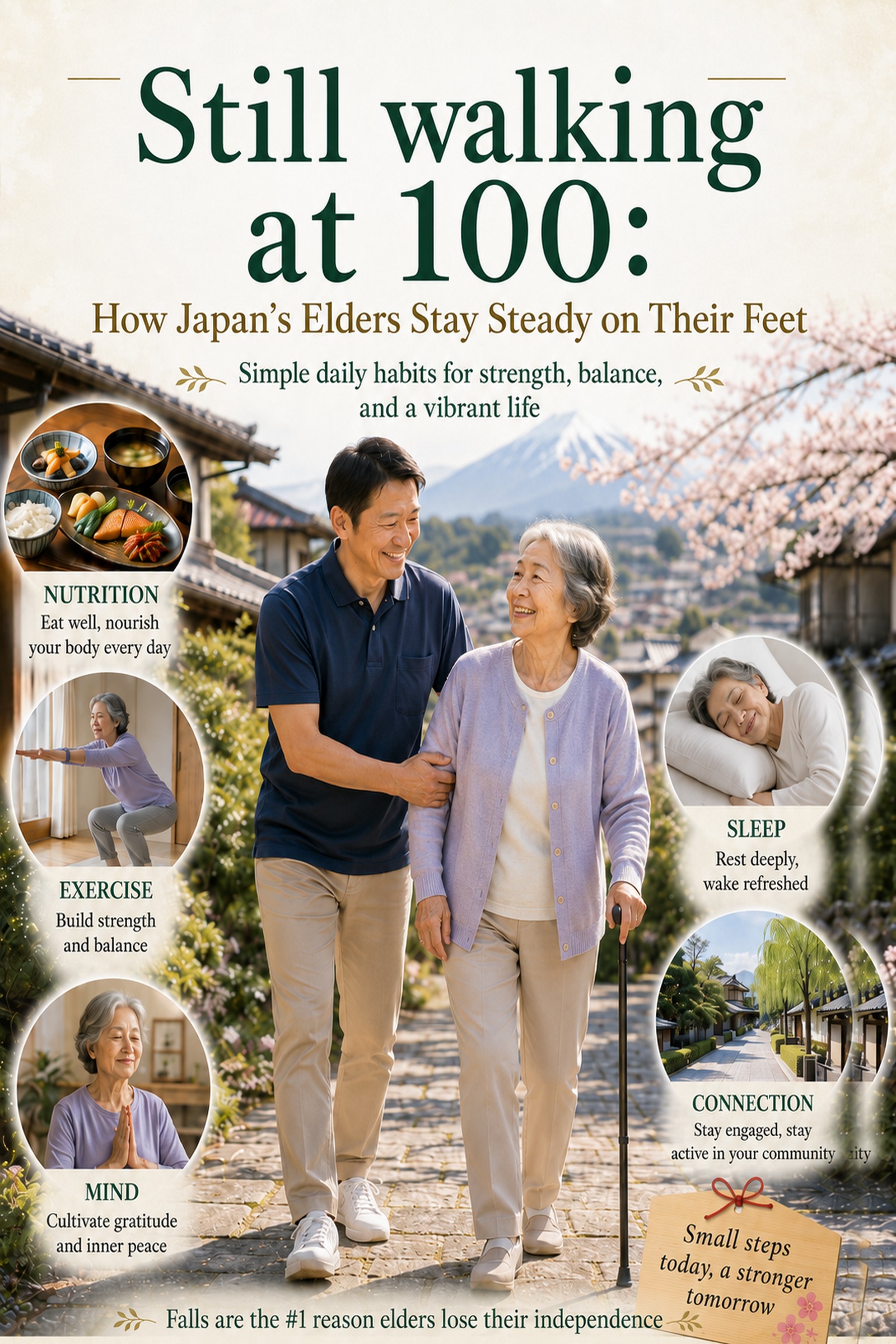
📖 New book by the author of this site
Still Walking at 100: How Japan’s Elders Stay Steady on Their Feet
Kindle $3.99 · free with Kindle Unlimited
Learn more
コメントを残す