Mediterranean or washoku — and the interesting question underneath
Both diets extend life. Their evidence bases differ, but their common ground — plants, fish, fermentation, and unhurried eating — is where most of the effect lives. What to steal from each.
Every few years the health-food press works itself up over the Mediterranean diet, and every few years someone in Japan pushes back that surely the Japanese diet, given who lives the longest, deserves at least equal billing. The honest answer, based on the last twenty years of nutrition epidemiology, is that both are excellent and the argument is a little silly. What is more interesting is why they both work, and what happens if you eat them together.
What the Mediterranean diet actually is
Italian, Greek, and Spanish rural cooking, before the arrival of industrial food. Olive oil as the primary fat. Vegetables, fruit, beans, and whole grains, in serious quantity. Fish and poultry more than red meat. Nuts and cheese in moderation. A glass of red wine with dinner, at least in the traditional pattern.
The evidence base is substantial. The Spanish PREDIMED trial, published in 2013, followed nearly 7,500 people at high cardiovascular risk and found roughly a 30% reduction in heart attacks and strokes among those on the Mediterranean pattern compared to a low-fat control. Later analyses linked the same eating pattern with lower dementia risk. The active ingredients seem to be the monounsaturated fat in olive oil, the omega-3s in the fish, and the polyphenols from vegetables and red wine.
What washoku actually is
The traditional Japanese meal structure — ichijū sansai, one soup and three dishes — arranged around rice. Fish over meat. Vegetables in almost everything. Fermented foods every day: miso, natto, tsukemono. Seaweed as a routine ingredient. Green tea. Small portions, and the habit of stopping at 80% full, called hara hachi bu.
The evidence base is quieter than PREDIMED because Japan didn’t run that trial, but the population data speak for themselves. The longest-lived nation on earth, with the largest concentration of centenarians. Cohort studies from the Japanese Public Health Center project have linked adherence to a traditional Japanese pattern with lower mortality from cardiovascular disease and stroke. UNESCO recognized washoku as an Intangible Cultural Heritage in 2013 partly because the health claims are that solid.
How they overlap
The overlap is the interesting bit. Both are largely plant-based. Both feature a lot of fish. Both use very little red meat. Both rely on some form of fermented food. Both keep processed sugar and industrial oils to almost nothing. Both have a cultural pattern of leisurely eating and shared meals.
If you’re looking for the common denominator that produces the health effect, that’s probably it. Not olive oil versus miso. Vegetables, fish, and unprocessed carbohydrates, eaten slowly with other people. The rest is regional flavor.
Where they differ, and where each has an edge
Comparative analyses from the last few years suggest each pattern has a slight edge in different domains. The Mediterranean pattern shows the strongest evidence for reducing heart disease, stroke, and dementia. The Japanese pattern shows stronger signals for lower rates of gastric and colorectal cancer, likely due to fermented foods and fiber, and for long-term weight management.
The differences are not enormous. The similarities matter more.
A hybrid, for Japanese kitchens
You don’t have to pick a team. Seven small habits that combine the best of both:
- Fish three or four times a week. Oily fish especially — mackerel, sardines, salmon. Grill it Japanese-style, or bake it with olive oil. Either works.
- Bring olive oil into your kitchen. Use it in place of your default oil for sautéing and dressing. Neutral oils are fine for high-heat frying, but for everyday cooking, olive oil earns its place.
- One fermented food per day, minimum. Miso soup, natto, yogurt, cheese. Rotate.
- 350 grams of vegetables a day. Japan’s official target. Cook them as Japanese nimono, Italian antipasti, Spanish escalivada. Variety keeps the habit alive.
- Beans in the rotation. Soybeans, chickpeas, lentils. Every one of these traditions leans on legumes.
- Seaweed in the routine. Wakame and kombu bring minerals and fiber that the Mediterranean plate doesn’t have. This is one place the Japanese pattern is genuinely ahead.
- Nuts as a snack. A small handful of walnuts, almonds, or cashews. Better than most things in the vending machine.
Two rules I’d add. Slow down at the table. And leave a little room at the end of the meal instead of finishing everything on the plate. Both dietary traditions build these in as culture. The food alone doesn’t do it. The way of eating carries some of the weight.
If someone made you pick
Fine. If you live in Japan and cook Japanese, keep cooking Japanese, and pull olive oil and a few Mediterranean habits in. If you live somewhere the Mediterranean pattern is easier to sustain, do that, and steal miso, seaweed, and green tea for yourself. The ideological question of which one wins is much less interesting than the practical question of which one you’ll actually eat next Tuesday.
References
- Estruch R et al. Primary prevention of cardiovascular disease with a Mediterranean diet supplemented with extra-virgin olive oil or nuts (PREDIMED). NEJM, 2018;378:e34.
- Japan Public Health Center-based Prospective Study (JPHC). Various publications on traditional Japanese dietary pattern and mortality.
- UNESCO Intangible Cultural Heritage inscription of Washoku, 2013.
- Katagiri R et al. Total fermented food intake and mortality in Japanese adults. European Journal of Nutrition, 2020;59:1005–1018.
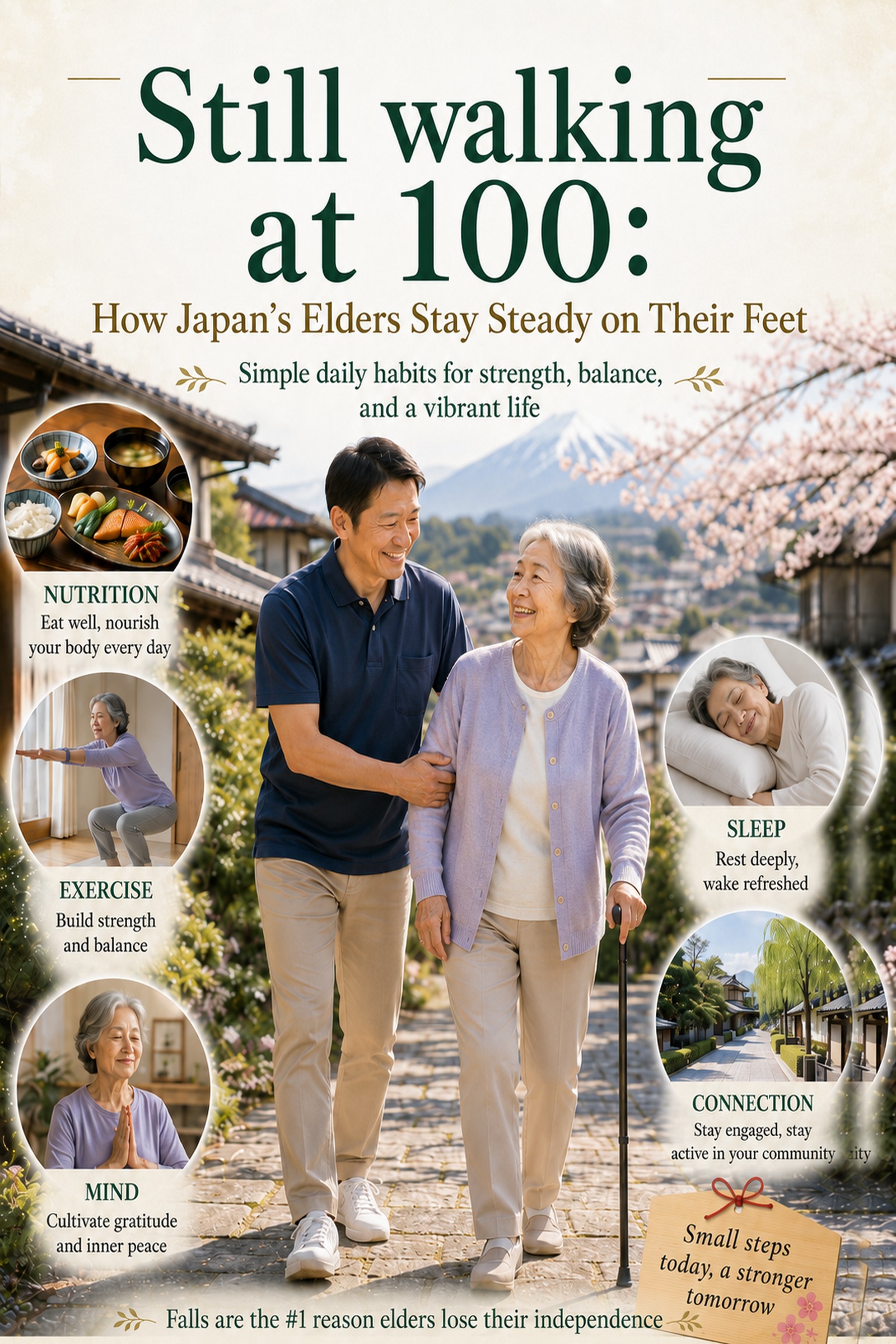
📖 New book by the author of this site
Still Walking at 100: How Japan’s Elders Stay Steady on Their Feet
Kindle $3.99 · free with Kindle Unlimited
Learn more
コメントを残す