Caring for the caregiver — before both fall together
The signs of caregiver depression, respite programs, family groups, and Japan’s laws that let you keep your job and your parent at the same time.
The family member doing the care matters as much as the person being cared for. That is not a sentimental point. If the caregiver goes down, the whole arrangement goes down. In our field there’s a phrase for it — tomodaore, roughly, “both fall together.” Preventing that is not a nice-to-have. It’s part of the job.
1. Who is doing the caring
Roughly 70% of Japan’s primary family caregivers are women. Most are in their fifties, sixties, or seventies. The shape of the group keeps changing. Old people caring for old people (rō-rō kaigo). One person with dementia caring for another (nin-nin kaigo). Young carers, meaning children and teenagers looking after a parent or grandparent. And “business carers” — adults juggling a career with the daily care of a family member. Each subgroup wants different support. None of them get enough.
2. Signs of caregiver depression
Two weeks or more of poor sleep, poor appetite, loss of interest in things that used to matter, self-blame, pessimism about the future, physical symptoms with no clear medical cause. When “can’t sleep, can’t eat, can’t laugh” all three land at once, that’s the point to see a doctor.
3. What raises the risk
Length of care. Severity of the person’s condition. No one to talk to. Financial anxiety. The caregiver’s own health problems, stacked on top of everything else. The more of these accumulate, the higher the risk. Catching it early is the whole game.
4. Respite care
Short-stay programs at care homes. Day services. Home-help visits. Overnight day care. Small multifunctional facilities with satellite units. The full menu exists in most municipalities. What families need to hear from us is this: use them for your own rest, not just for the older adult’s benefit. Rest is not selfish. It is what makes next week possible.
5. Family groups, and other people going through the same thing
The Alzheimer’s Association Japan and its local branches. Carers’ cafés in nearly every prefecture now. SNS groups for family caregivers. Talking to someone who is doing exactly what you are doing changes the shape of the burden. “It’s not just me” is the door out.
6. Combining work and care
Japan’s Child Care and Family Care Leave Act gives every worker 93 days of care leave, plus 5 days a year of care days, plus rights to shortened hours. The Long-Term Care Leave Benefit reimburses part of lost wages. Speak with HR early. Institutions help the people who know how to use them.
7. What we owe families, as care staff
Listen to what the family is going through. Recognize the effort out loud. Provide information at the right moment — not before it’s needed and not too late. When something is beyond us, know who to refer them to. Those four moves, held consistently, take a real weight off.
References
- Alzheimer’s Association Japan (Ninchishō no Hito to Kazoku no Kai).
- Child Care and Family Care Leave Act (Japan), Long-Term Care Leave Benefit.
- MHLW, Comprehensive Survey of Living Conditions — data on family caregivers.
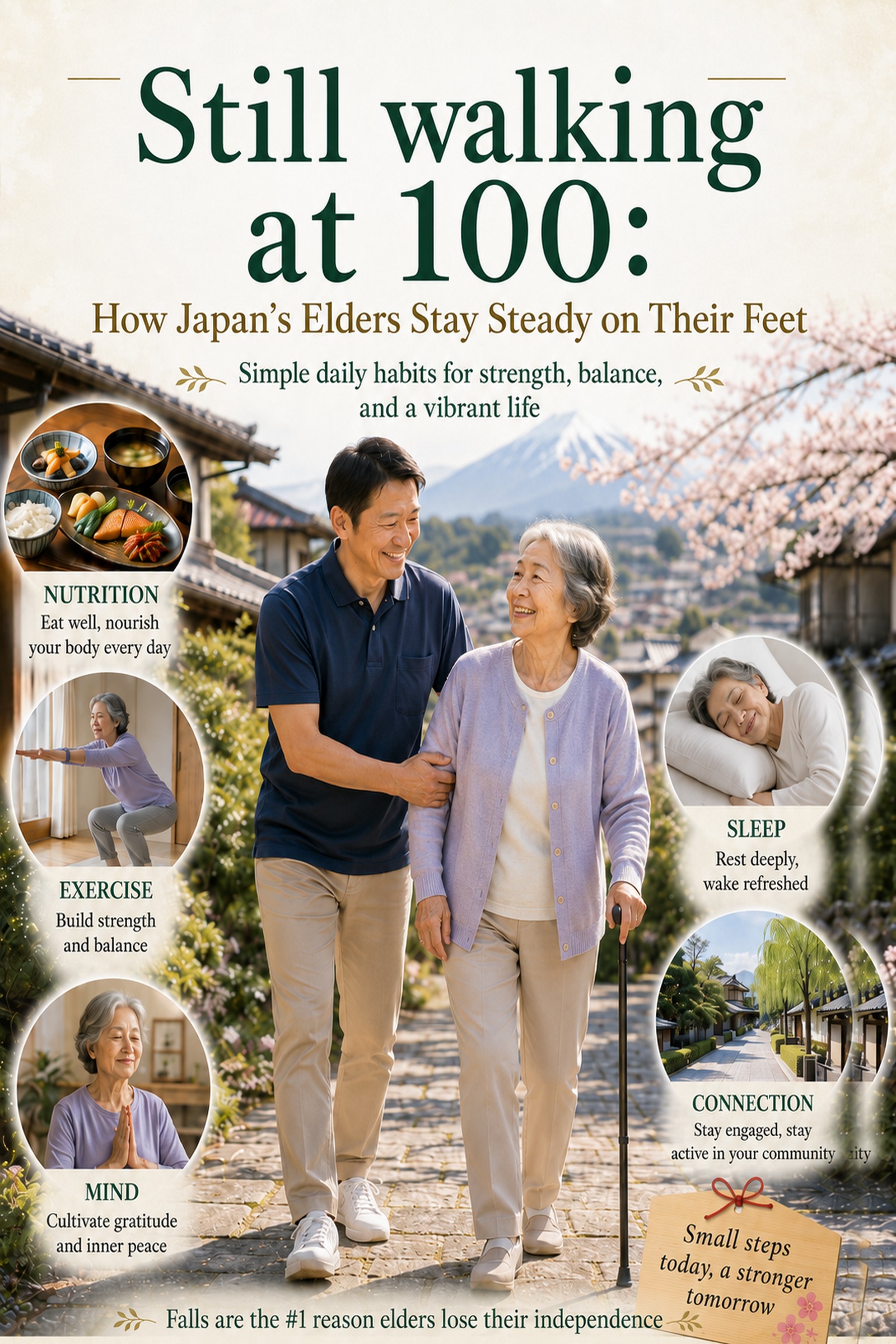
📖 New book by the author of this site
Still Walking at 100: How Japan’s Elders Stay Steady on Their Feet
Kindle $3.99 · free with Kindle Unlimited
Learn more
コメントを残す