Sa-kō-jū, group home, or tokuyō — three categories, one decision
The three main housing options for later life in Japan. Who fits where, what each costs, and the three mistakes families make when the health event forces the choice too fast.
The Japanese housing options for later life fall into three main categories, and if you’ve never had to sort them out, the vocabulary is a maze. Sa-kō-jū. Group home. Special elder home. Each is aimed at a different point on the same trajectory. The trick is figuring out which point you’re actually at, or where a parent actually is, and matching that to the setting.
What follows is how I explain it to families when they come in asking, usually after a fall or a hospitalization has forced the question.
Why there are so many options now
Roughly three decades ago, “later-life housing” in Japan meant one thing: tokubetsu yōgo rōjin hōmu, the state-run nursing home for people who needed serious care. Since then the system has expanded, mostly because the population has aged faster than the old model could serve, and because policy has shifted toward keeping people in as home-like a setting as possible for as long as possible. Today, three main categories cover most of what’s out there.
Serviced Housing for Older Adults (Sa-kō-jū)
Sābisu-tsuki kōreisha muke jūtaku, mercifully shortened to sa-kō-jū. Rental apartments designed for older adults, with a resident staff member on site during the day to check in and handle emergencies.
- Who it’s for: Adults 60 and up, generally still independent. Many facilities accept residents without any long-term care certification.
- Cost: Roughly ¥100,000 to ¥300,000 per month, depending heavily on location and facility.
- Upside: You keep your own place. You come and go on your own schedule. If you need care, you contract with outside providers the same way you would at home.
- Watch out for: Some sa-kō-jū will ask you to leave if your care needs grow past a certain level. The range in quality across facilities is enormous.
Sa-kō-jū fits the person who is basically fine but is starting to feel uneasy about being fully alone — especially at night, or after a small incident. It preserves autonomy longer than any of the alternatives.
Group Home
Officially: Ninchishō taiō-gata kyōdō seikatsu kaigo — Dementia-Specific Communal Living Care. Small settings — five to nine residents — designed for people with a dementia diagnosis. Residents cook, clean, and go about a normal-feeling day alongside staff, at whatever level of participation they can manage.
- Who it’s for: People with a dementia diagnosis and long-term care certification of at least support level 2.
- Cost: Roughly ¥150,000 to ¥250,000 per month.
- Upside: The scale is intimate. Staff know every resident. The routine and the familiar faces have measurable benefits for dementia progression.
- Watch out for: As care needs escalate — total care, terminal illness — some group homes cannot cope. And because these facilities are locally regulated, you can typically only enter a group home in the municipality where the person is registered.
Group home fits the family who has been carrying dementia care at home and has hit their limit. The transition, done at the right time, often eases both the person and the family.
Special Elder Home (Tokuyō)
Tokubetsu yōgo rōjin hōmu, “tokuyō” in daily use. The state-subsidized nursing home for people who need substantial care. Staffed around the clock. Food, bathing, toileting, and medical coordination all handled on site.
- Who it’s for: Generally, people at long-term care level 3 or higher (with narrow exceptions for lower levels in hardship cases).
- Cost: Roughly ¥60,000 to ¥150,000 per month, with income-based subsidies bringing it lower for many households.
- Upside: Public facility, so pricing is much more accessible than private options. Long-term residence — end-of-life care included at many facilities.
- Watch out for: Waitlists. In some regions, years. And older facilities may still have shared rooms rather than private ones.
Tokuyō is what most Japanese families eventually turn to when the care load has fully outstripped what can be delivered at home. The waitlists mean it pays to apply early, even if the person doesn’t need to move yet — you can decline a spot when it comes up, and stay in the queue.
Three mistakes I see all the time
Picking on price and location alone
Families rush a placement because the facility is close and affordable, and later discover that the staff-to-resident ratio is too low, or the culture is one of restriction and low expectations. Go visit in person. Watch how staff talk to residents, not to you. Watch what happens at meal times. If you can, visit twice, at different hours.
“We’ll deal with it when we have to”
The most common mistake. People delay thinking about this until a health event forces a scramble. In that scramble, the family takes whatever bed is available, which is rarely the right fit. Start looking while things are still fine. Get on tokuyō waitlists preemptively.
Deciding for the person without the person
This is especially common with dementia, but not limited to it. The person being placed usually has strong preferences, and often has more capacity to state them than families assume. Include them. Take them on the visits. Their reaction to a facility in person is data no brochure can give you.
A short decision tree
- Still independent, a little anxious about being alone → sa-kō-jū.
- Diagnosed with dementia, home care no longer viable → group home.
- Level 3 care needs or higher, or terminal trajectory → tokuyō (start the waitlist now).
- Family has money and wants full-service upscale → private nursing home (kaigo tsuki yūryō rōjin hōmu), which we didn’t cover here but is the fourth main option.
Whichever way this ends up going, the earlier the conversation starts, the more choices you’ll actually have. That is the whole point of doing this while nothing is on fire.
References
- MHLW, Guidelines for Serviced Housing for Older Adults (sa-kō-jū).
- MHLW, Group Home regulations under the Dementia Care service category.
- MHLW, Special Elder Home (tokuyō) admission criteria and subsidy structure.
- Cabinet Office, White Paper on the Aging Society (annual).
📖 New book by the author of this site
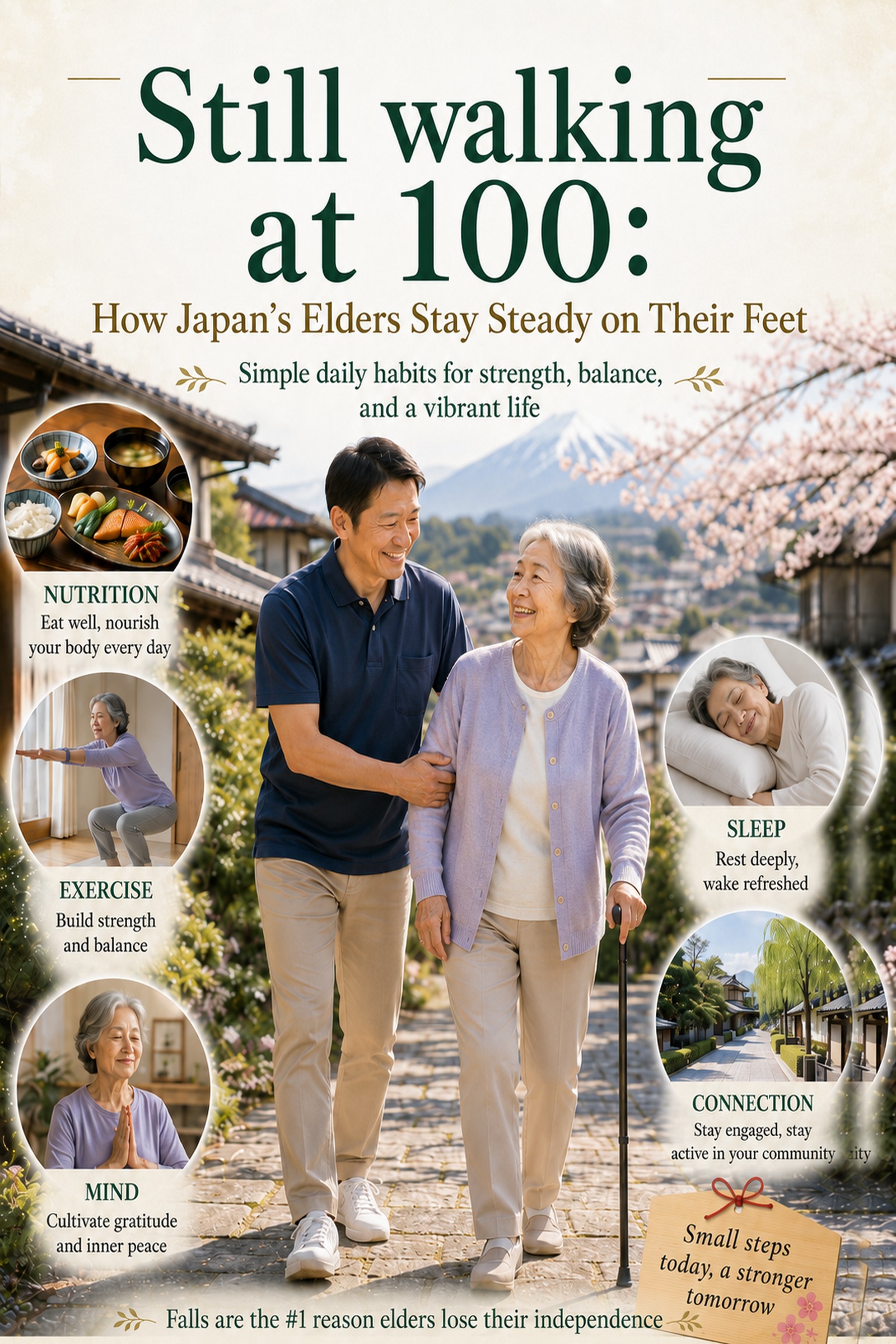
Still Walking at 100: How Japan’s Elders Stay Steady on Their Feet
Kindle $3.99 · free with Kindle Unlimited
Learn more
コメントを残す